
Waterproofing & Insulation
Waterproofing and thermal insulation for roofs, bathrooms, tanks and foundations.
Waterproofing & Insulation
Insulation is vital in the Eastern Province because of humidity and heat. We waterproof roofs, bathrooms, tanks and foundations with approved materials.
What we offer
- Roof waterproofing and thermal
- Bathrooms and tanks
- Foundation protection
- Final inspection of the work
Why leaks keep coming back in Eastern Province villas
Large day-night temperature swings make roof concrete and waterproofing layers expand and contract, while humidity and coastal salts speed up material ageing. Over time small cracks appear and water gets in during rain, roof washing or from tanks.
Types of waterproofing and insulation
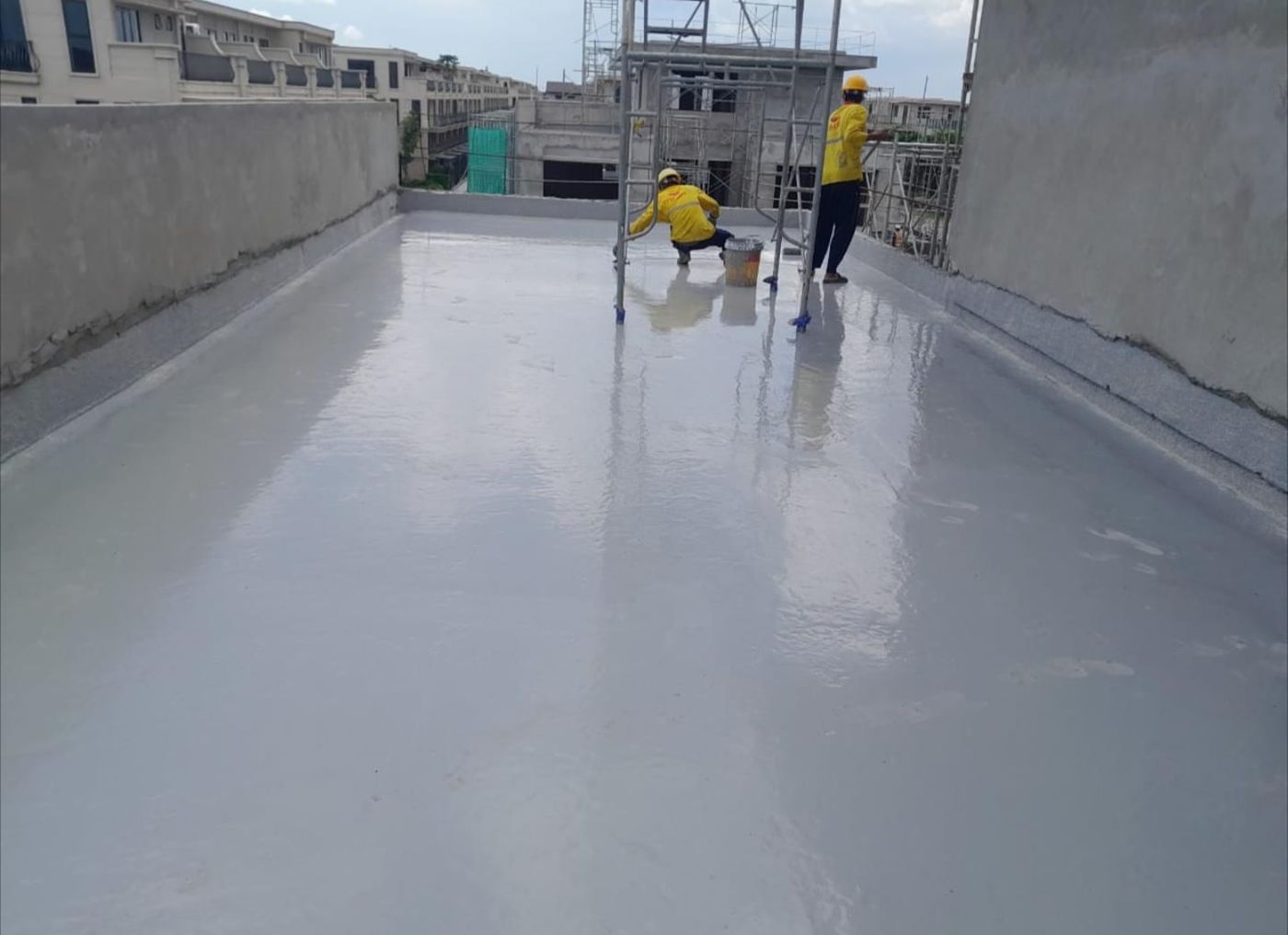
- Roof waterproofing with bitumen membranes or liquid systems such as polyurethane, depending on the roof's condition.
- Roof thermal insulation with polystyrene or foam boards to cut heat gain and A/C load.
- Bathroom and kitchen waterproofing under tiles, turned up the walls.
- Ground and roof water tanks lined with materials suitable for drinking water.
- Foundations and below-ground walls protected against damp and salts.
Correct roof waterproofing steps
- Strip damaged old waterproofing and clean the surface.
- Repair cracks and correct falls towards the drains.
- Primer, then waterproofing layers with proper overlaps at joints.
- Turn the membrane up the parapet walls and detail around drains and pipes.
- Flood test before protection.
- A protective layer of tiles or light screed on top.
Signs you need waterproofing
- Damp patches or peeling paint on the top-floor ceiling.
- Musty smell or white salt deposits on walls.
- Leaks after roof washing or rain.
- Upstairs rooms getting very hot in summer.
Types of insulation and when each is used
Waterproofing and thermal insulation are different systems, and on roofs they are usually installed together:
- Bituminous membranes: heat-bonded on roofs, used on large surfaces.
- Liquid-applied systems (polyurethane or acrylic): suit detailed roofs, bathrooms and corners.
- Cementitious waterproofing: used in tanks and wet floors.
- Boards or foam for thermal insulation above the waterproofing to cut roof heat and A/C load.
- A protection layer and falls to drain water towards outlets.
Signs that waterproofing has failed
Finding the problem early avoids major damage to paint and ceilings:
- Damp patches or discolouration on ceilings or walls.
- Paint peeling or blistering.
- White salt deposits on walls.
- A musty smell in upper rooms.
- Water pooling on the roof after rain because of poor falls.
Waterproofing under tiles in bathrooms and kitchens
Most lower-floor leaks start from an upper bathroom or kitchen. Correct waterproofing covers the floor, turns up the walls, is detailed around drains and pipes, and is flood-tested before tiling.
Roof thermal insulation
Thermal insulation reduces heat entering the top floor, and it must be installed with the waterproofing in the correct order so moisture is not trapped within the layers. We choose the right system by roof shape and use.
Spot repair or full re-waterproofing?
Local repair works when the cause is a clear point such as a drain or joint. If the membrane is worn across a wide area, re-waterproofing is more economical and more stable than repeated patching.
Prepare your waterproofing quote request
Waterproofing is not priced by area alone: the location, the surface and any old system all change the method. Tick what applies and we will put it in a ready WhatsApp message, then attach photos in the chat.
Send on WhatsAppFrequently asked questions
How long does roof waterproofing last?
With good materials and correct application waterproofing can last many years; the duration depends on the materials, the quality of application and exposure conditions.
How do you find the source of a leak before waterproofing?
We start with an inspection: stain locations, roof drains, and joints around pipes and parapets, and sometimes a flood test. Treating the wrong spot means the leak returns.
Can a roof be waterproofed over an old membrane?
It depends on the old membrane. If it is worn, blistered or wet we remove it; if sound we may repair it and add a layer. We decide after inspection.
Helpful guides
- Replacing Bathroom Tiles: Steps From Removal to Handover
- Tiling in Summer Heat: Adhesive and Curing
- Coastal Salts: Effect on Plaster, Tile and Waterproofing
- Shower Area Waterproofing: Details That Prevent Leaks
- Roof Cracks: Repair or Full Waterproofing?
- Roof Drains and Parapets: The Most Common Leak Points
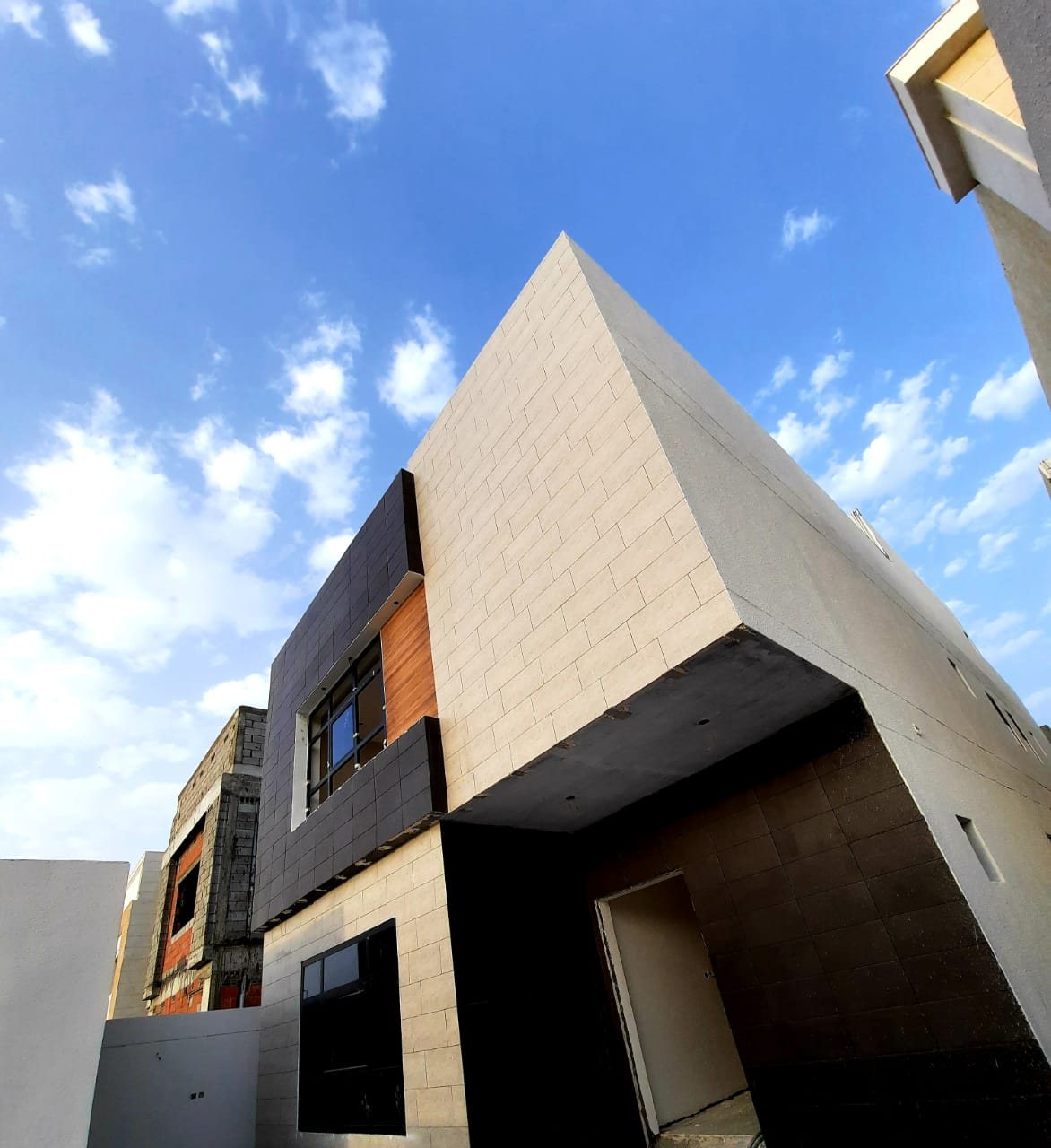
- Front Elevation Tile and Stone Cladding Guide
- Waterproofing Pools and Water Tanks in Villas
- Rising Damp and Basement Waterproofing
- Terrace, Balcony and Yard Waterproofing Before Tiling
- Membrane or Liquid Waterproofing: Which Suits Your Roof?
- Outdoor Tile for Yards and Entrances
- Tile Grout and Joints: Choice, Filling and Leak Prevention
- Preparing an Old Floor Before Laying New Tile
- Common Tile Installation Mistakes and How to Avoid Them
- Bathroom Waterproofing Before Tiling: Steps
- Villa Roof Insulation: Heat and Moisture
- Villa Waterproofing Guide: Eastern Province
- Water Leak Signs in a Villa and What to Do
- How to Choose a Reliable Building Contractor
Areas we serve
Waterproofing & Insulation in DammamWaterproofing & Insulation in Al KhobarWaterproofing & Insulation in DhahranWaterproofing & Insulation in QatifWaterproofing & Insulation in JubailWaterproofing & Insulation in Al Ahsa (Hofuf)Waterproofing & Insulation in KhafjiWaterproofing & Insulation in SaihatWaterproofing & Insulation in SafwaWaterproofing & Insulation in Ras Tanura
How we work
- 1. Contact Message us on WhatsApp or fill in the form.
- 2. Inspection & quote We visit your site and send a free detailed quote.
- 3. Execution Our crew starts with approved materials.
- 4. Handover We hand over after a joint final inspection.
Other services
Building Maintenance, Refurbishment & Cleaning
Building and villa maintenance, refurbishment and post-construction cleaning.
More →
Ready to start your project?
Contact us now for a free consultation and a quote tailored to your project.