
Foundation Works
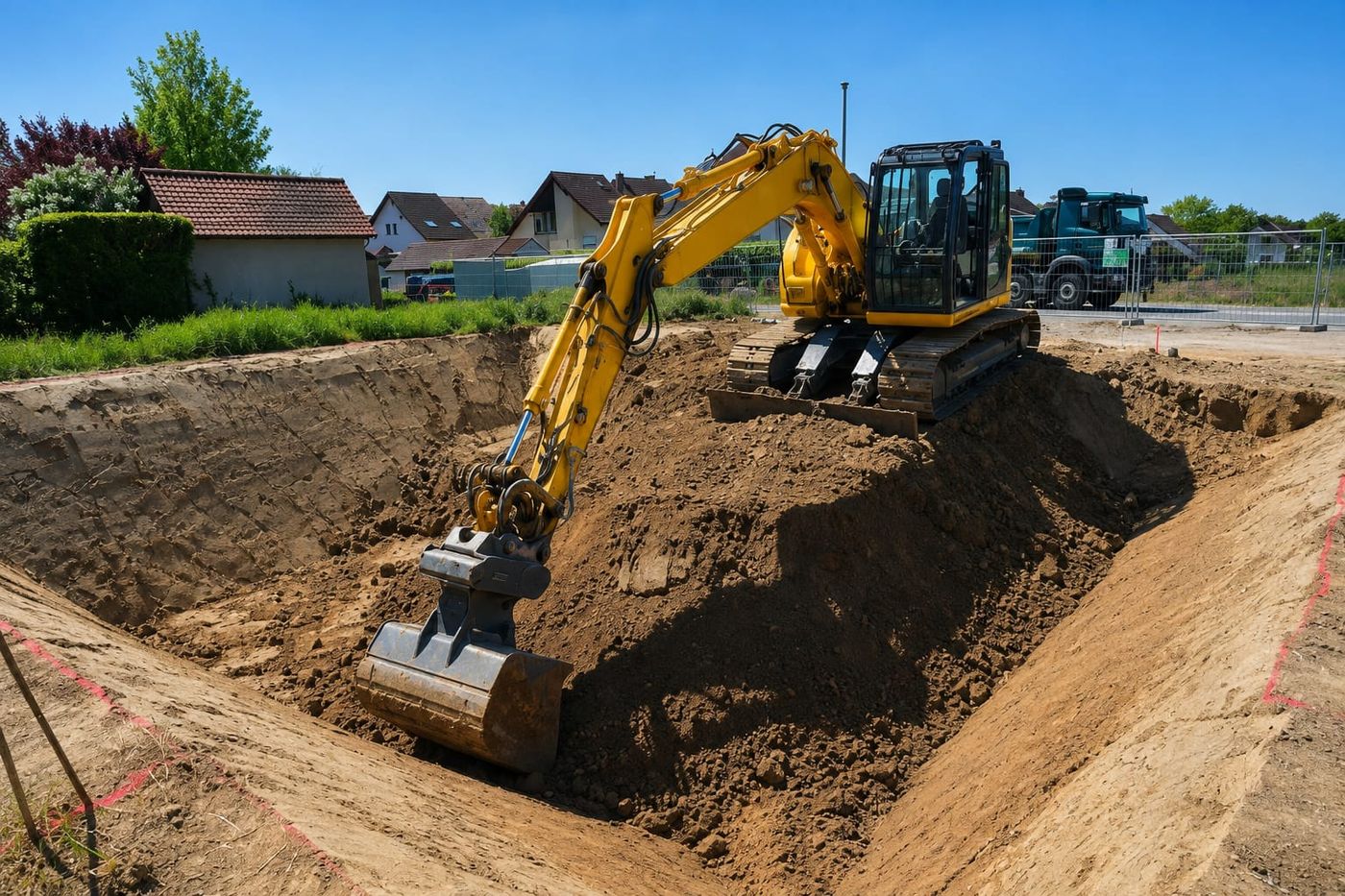
All concrete foundation types: isolated, strip and raft.
Foundation Works
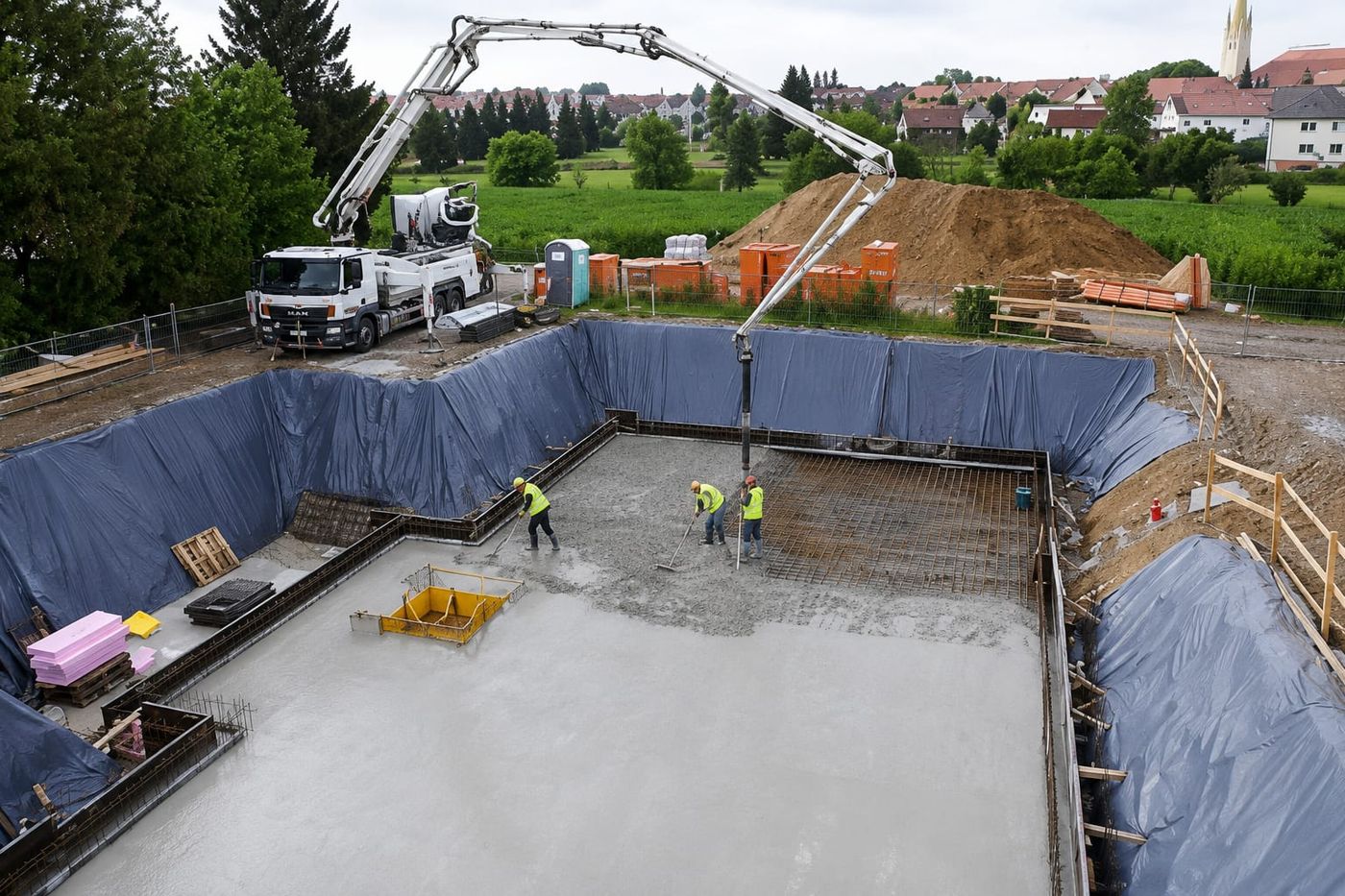
We build all concrete foundation types after soil testing, with attention to protection against the salts and moisture common in Eastern Province soil, under engineer supervision of rebar and pours.
What we offer
- Sulphate-resistant foundation protection
- Rebar to drawings
- Pump-placed concrete
- Concrete cube testing
How is the foundation type chosen?
The structural engineer chooses the foundation from the soil report and building loads:
- Isolated footings: the most common for villas on soil with good bearing capacity.
- Strip footings: where columns are close together or under load-bearing walls.
- Raft: for weak soil or high groundwater, spreading loads over the whole footprint.
- Piles: in special cases recommended by the soil report.
Eastern Province soil: what to watch
On many coastal plots in Dammam, Khobar and Qatif the groundwater is close to the surface and the soil can carry sulphate and chloride salts, including sabkha ground in some locations. These salts attack concrete and rust the steel, so sulphate-resistant cement, bitumen waterproofing of footings, necks and ground beams, and sometimes dewatering during excavation may be required.
Foundation steps
- Soil report from an accredited laboratory.
- Excavate, level and compact the formation.
- Blinding concrete.
- Fix and inspect footing rebar and formwork.
- Pour footings, then necks and ground beams, taking test cubes.
- Waterproof every surface in contact with soil.
- Backfill in layers with watering and compaction.
Common mistakes
- Skipping the soil report to save money.
- Not waterproofing necks and ground beams before backfill.
- Backfilling with unsuitable soil or without layer compaction.
- Too little concrete cover over the steel.
Foundation types and which suits your site
No single type suits every plot; the structural engineer picks it from the soil report and the building loads:
- Isolated footings: a pad under each column, suited to firm soil and moderate loads.
- Strip footings: concrete strips under load-bearing walls, used when supports are close together.
- Raft (mat): one slab under the whole building, often used on weak soil or a high water table because it spreads the load over a larger area.
- Piles: when loads must reach deeper, stronger layers, by engineering decision.
How foundations are executed
The order of work matters because foundations are buried and hard to fix after backfilling:
- Set levels and dimensions, then excavate, level and compact.
- Pour blinding concrete for a clean, level surface.
- Fix footing and ground-beam rebar to the drawings and inspect it before pouring.
- Use sulphate-resistant cement and waterproof soil-contact surfaces on saline sites.
- Cure with water after pouring, then backfill in compacted layers after the engineer's approval.
Frequently asked questions
Why is foundation protection important in Dammam and Khobar?
Soil near the coast carries salts and high groundwater, so we use sulphate-resistant cement and waterproofing layers to protect concrete and steel.
Helpful guides
Areas we serve
Foundation Works in DammamFoundation Works in Al KhobarFoundation Works in DhahranFoundation Works in QatifFoundation Works in JubailFoundation Works in Al Ahsa (Hofuf)Foundation Works in KhafjiFoundation Works in SaihatFoundation Works in SafwaFoundation Works in Ras Tanura
How we work
- 1. Contact Message us on WhatsApp or fill in the form.
- 2. Inspection & quote We visit your site and send a free detailed quote.
- 3. Execution Our crew starts with approved materials.
- 4. Handover We hand over after a joint final inspection.
Other services
Waterproofing & Insulation
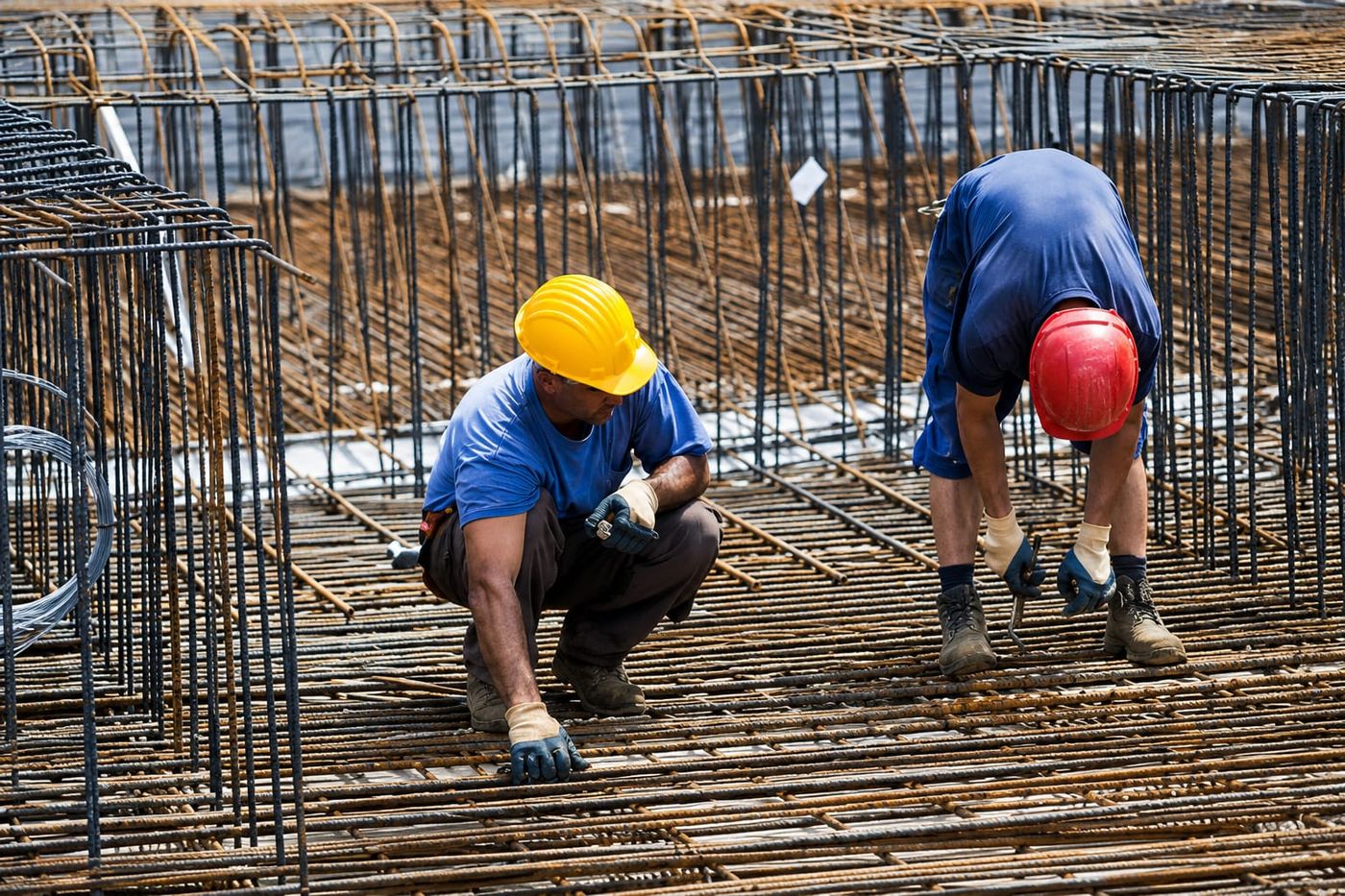
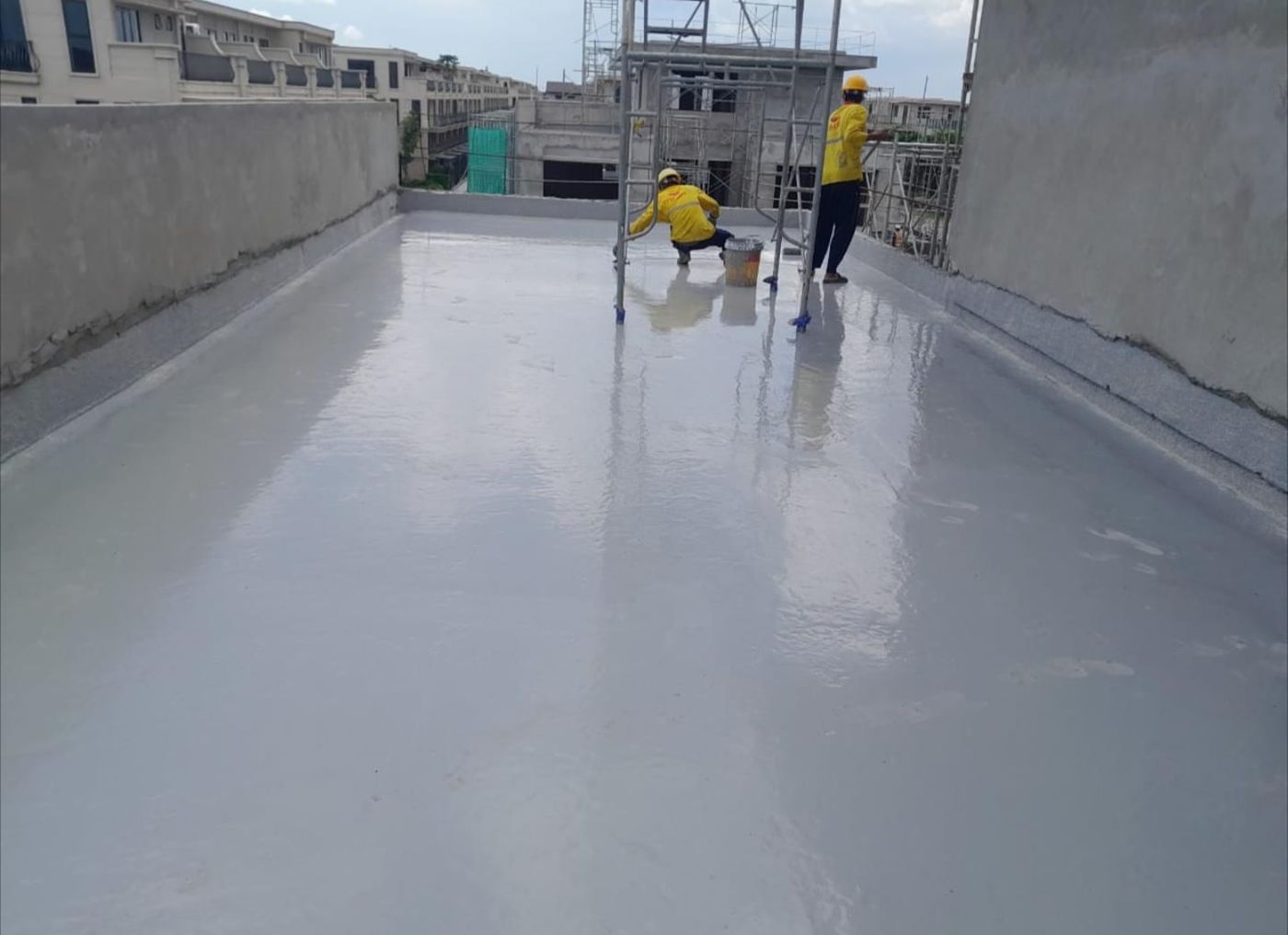
Waterproofing and thermal insulation for roofs, bathrooms, tanks and foundations.
More →Ready to start your project?
Contact us now for a free consultation and a quote tailored to your project.